What to Look for in Marietta top Pool Maintenance for Reliable Pool Care
What to Look for in Marietta top Pool Maintenance for Reliable Pool Care
Blog Article
Thorough Pool Maintenance: Sustain Your Pool Radiant Every Season
Proper pool maintenance is necessary for every pool owner. It ensures a clean and safe swimming environment all year long. Consistent upkeep not only boosts water clarity but also avoids costly repairs. Understanding the key tasks involved can make a noticeable difference. With the right equipment and knowledge, anyone can manage their pool effectively. Yet, many overlook essential aspects that could improve their pool experience. What are these vital practices that can turn a common pool into a perfect oasis?
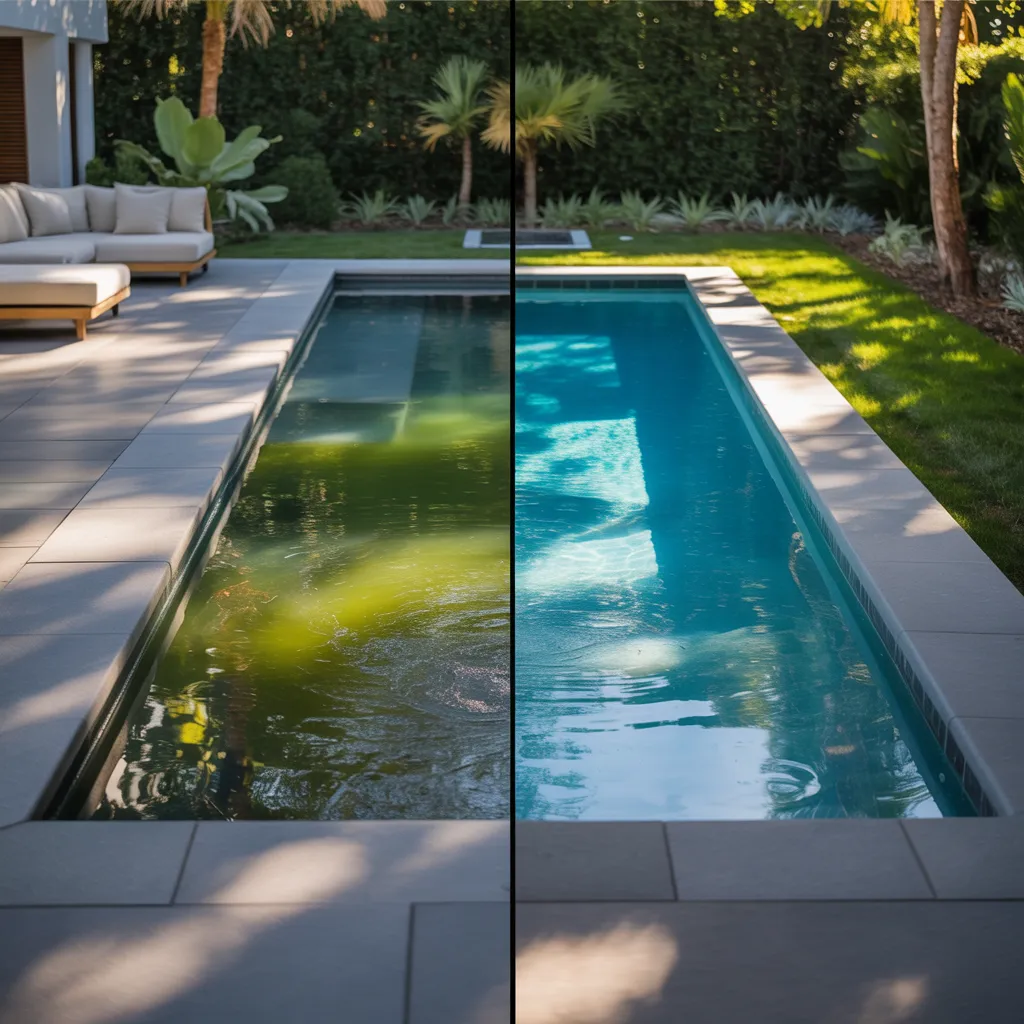
Maintaining a pool demands careful attention and knowledge of essential practices. Every pool owner should recognize the significance of consistent upkeep to guarantee water purity and protection. Routine tasks include checking chemical levels, which should be balanced to prevent algae growth and maintain swimmer comfort. Filtration systems need consistent monitoring, as they play a vital role in maintaining water purity.
Homeowners should examine pool equipment and surfaces also for damage or wear signs, promptly addressing issues to avoid costly maintenance. Frequent skimming and vacuuming work to eliminate particles impacting water condition.
Understanding seasonal diversity is valuable; winterizing a pool in colder climates can ensure protection of it from damage. Awareness of local regulations regarding pool maintenance can also steer owners in adhering to safety expectations. Ultimately, a purposeful framework to pool maintenance not only enhances the swimming enjoyment but also increases the life of the pool itself.
Essential Equipment for Effective Pool Care
A well-equipped pool owner understands that possessing appropriate equipment is crucial for efficient pool care. Key instruments include a skimmer net, which effectively eliminates floating waste on top of the water, and a suction cleaner to clean the pool floor. A dependable pool brush is important for scrubbing the walls and steps, avoiding algae buildup. Additionally, a water testing kit is necessary for tracking chemical levels, guaranteeing a safe swimming environment.
To copyright proper circulation, a high-quality pool pump is essential, while a filter system maintains the water clean. Pool maintenance also benefits from accessories like a telescopic pole, permitting users to reach hard-to-reach spots. Finally, getting a cover protects the pool from dirt and reduces maintenance time. These important tools enable pool owners to care for their pools effectively, keeping them pristine and inviting throughout the year.
Why Consistent Cleaning Keeps Your Pool Gleaming
Regular cleaning is crucial for maintaining a crystal-clear pool, as it stops debris accumulation and ensures water clarity. Key equipment and a regular cleaning schedule are vital in this process. Understanding the advantages of regular upkeep can enhance both the pool's look and longevity.
Critical Cleaning Equipment Essential
While enjoying a pristine pool is a pleasure for any homeowner, the proper maintenance equipment are essential for maintaining it in gleaming condition. A dependable skimmer net is critical for removing leaves and debris from the surface of the water. Additionally, a pool brush assists in maintain tile and wall hygiene, stopping algae buildup. A vacuum, whether manual or automatic, can effectively clean the pool floor, guaranteeing no dirt remains. Testing kits are also vital for monitoring water chemistry, allowing for timely adjustments. Finally, a pool cover can shield the pool from contaminants when not in use, decreasing overall cleaning time. Together, these tools form the foundation for efficient pool upkeep, adding to a consistently inviting swimming environment.
Frequency Of Pool Cleaning
How frequently should a pool be maintained to maintain its shine? Consistent cleaning is vital to ensure a pristine aquatic environment. Typically, pools should be skimmed and swept each week to eliminate debris, foliage, and dirt. Furthermore, scrubbing the surfaces and floor at least once a week aids in avoid algae buildup. Water chemistry should be checked two to three times a week to ensure proper balance, while filters need maintenance or replacement according to manufacturer recommendations, typically every 1-3 months. Periodic thorough cleaning is also recommended, involving thorough scrubbing and inspection of equipment. By adhering to this cleaning schedule, pool owners can keep a sparkling pool, reducing the likelihood of more extensive issues arising later.
Advantages Of Frequent Maintenance
Regular upkeep not only boost the appearance of a pool but also greatly support its overall well-being and life span. Frequent cleaning avoids the buildup of waste, algae, and harmful bacteria, guaranteeing a safe environment for swimming. Addressing these problems quickly allows pool owners to prevent expensive fixes and lengthen the life of their pool gear. In addition, consistent cleaning aids in keeping water chemistry balanced, vital to stopping corrosion and scaling. A properly cared-for pool offers a better swimming experience since clear water and a clean surface invite swimmers. Finally, ongoing maintenance routine is key to preserving a pool’s performance and aesthetic appeal all year.
Maintaining Pool Chemicals: A Basic Guide
Balancing pool treatments is crucial for preserving water clarity and safety. Key elements expert advice include chlorine, alkalinity, and pH levels, all of which require consistent monitoring. Testing the water frequently and making necessary modifications ensures a safe swimming environment.
Vital Chemical Building Blocks
Sustaining a clean and safe swimming facility depends greatly on learning about essential chemical components. The key chemicals needed comprise chlorine, pH stabilizers, alkalinity raisers, and calcium hardness. Chlorine functions as a purifier, eliminating harmful bacteria and algae. Ensuring the appropriate pH level, ideally within 7.2 to 7.6, confirms effective chlorine performance and prevents skin irritation. Alkalinity stabilizers facilitate stabilization of pH fluctuations, while calcium hardness prevents deterioration and scale buildup. Each of these components plays a key role in overall water quality and water safety. Regular attention to these chemicals not only enhances the pool's lucidity but also prolongs the life of the pool and its equipment, making it fundamental for any pool custodian to grasp their weight.
Testing Water Regularly
Consistent water evaluation is essential for preserving outstanding pool experience and chemical stability in a pool. This practice uncovers fluctuations that can lead to algae growth, cloudy water, or skin irritation. Testing should be performed at least once a week, with heightened checks during peak usage or extreme weather conditions. Key components to watch include chlorine levels, alkalinity, and hardness. Implementing test strips or liquid kits, pool owners can garner accurate readings and make prudent evaluations about necessary adjustments. Consistent testing not only maximizes the pool's aesthetic value but also extends the durability of pool equipment. By focusing on regular water testing, pool owners can deliver a safe and inviting environment for swimmers throughout the year.
Adjusting pH Levels
While a well-maintained pool furnishes an inviting retreat, wrong pH levels can undermine its overall standard and swimmer satisfaction. pH levels exert a crucial role in the effectiveness of disinfectants and the overall condition of the pool context. Preferably, the pH should span between 7.2 and 7.8. When levels decrease below this bracket, water becomes acidulous, conceivably producing surface irritation and wear of pool equipment. In contrast, high pH levels can lead in murky water and reduced disinfectant effectiveness. Routine inspection with pH strips or digital testers is important. If adjustments are needed, incorporating pH increaser (sodium carbonate) or pH decreaser (sodium bisulfate) can reestablish stability. Upholding correct pH assures a secure and pleasant swimming activity.
Resolving Your Pool Issues: Quick Fixes
Diagnosing pool issues can be tricky, but rapid solutions often exist for common problems. For cloudy water, checking and balancing pH and chlorine levels can commonly recover cleanliness. If the filter is broken, checking for clogs or changing the filter material may resolve the matter promptly. When facing algae growth, treating the pool with chlorine can promptly eradicate it, followed by brushing the walls and floor.
In cases of leaks, locating the origin is crucial; using dye tests can help locate small leaks around skimmers or fittings. For non-starting equipment, checking power sources and resetting timers often does the trick. Finally, if the pool surface shows discoloration, using an appropriate cleaning solution or brush can help improve its look. By tackling these problems quickly, pool owners can maintain a clean and enjoyable swimming environment throughout the year. shows marks, applying a suitable cleaning agent or scrub can help Should leaks develop, finding the cause is essential; using tracer dye methods can help locate small leaks around fittings or skimmers. For equipment that won't start, examining power sources and resetting timers often does the trick. Finally, if the pool area shows stains, applying a suitable cleaning agent or scrub can help return it to its original state. By tackling these matters rapidly, pool owners can maintain a clean and enjoyable swimming environment throughout the year.
Tips for Enhancing Your Pool's Visual Beauty
How might swimming pool proprietors reimagine their outdoor space into a striking oasis? One practical strategy is to introduce surrounding landscaping. Lush greenery and colorful flower beds can establish a vibrant contrast against the pool's blue water. Additionally, using decorative planters with tropical plants offers depth and interest.
Lighting plays a vital role as well. Underwater LED lights and strategically placed lanterns enhance the evening ambiance, rendering the pool area inviting after sunset.
Including elegant furnishings is another key element. Comfortable lounge chairs, chic umbrellas, and elegant tables combine both functionality and aesthetic appeal.
Finally, consider adding creative elements such as mosaics or sculptures. These distinctive additions can act as focal points, enhancing the overall design. By blending these elements, pool owners can design an enchanting environment that invites relaxation and enjoyment all year round.
Regularly Asked Questions
How Frequently Should I Test My Pool Water Chemistry?
Pool water chemistry should be tested at least once a week during the swimming season. In cooler months, bi-weekly tests may suffice. Consistent testing guarantees balanced water, supporting safety and ideal swimming conditions for users.
What Indicators Show Common Pool Algae Issues?
Indicators of pool algae problems include cloudy or green water, slick surfaces, visible colored or dark spots on walls, and a potent smell. Regular inspections can help spotting these issues in advance, making sure successful treatment.
Can You to Apply Common Home Cleaning Solutions in My Swimming Pool?
Using regular household cleaning products in a pool is not wise. These items can alter the water's pH balance, conceivably damaging pool users and harming pool components. It's ideal to use cleaning solutions purpose-built for pool maintenance.
What's the Best Way to Winterize for Winter Season?
To ready for winter a pool with efficiency, one should reduce the water depth, clean the pool thoroughly, mix in winter chemicals, cover the pool securely, and verify all equipment is drained and stored properly to circumvent damage.
What Actions Can I Take if My Pool Pump Is Noisy?
When the pool pump is loud, the owner must search for debris, keep proper lubrication, and review the motor. If troubles linger, calling a professional or replacing the pump may be vital for solving the issue.
Report this page